

31 May 2026
Breaking the Silence: Sunita Sil's Fight Against Menstrual Waste in the Andamans
Grassroots advocate Sunita Sil is tackling the invisible crisis of menstrual waste in the fragile ecosystems of the Andaman Islands. By combining rigorous household surveys with sensitive community education, she is transforming a taboo subject into an urgent climate conversation. Her evidence based approach empowers local women and youth to advocate for sustainable health practices and better local governance.
The pristine island ecosystems of the Andaman and Nicobar archipelago face highly visible threats like rising sea levels and coastal erosion. However, one of the most severe environmental hazards remains almost entirely hidden from public view. In Mathura Village in South Andaman, menstrual waste is rarely discussed and improperly managed. Disposable sanitary pads packed with plastics and chemicals are routinely burned, buried, or discarded near vulnerable forests and water bodies.
Sunita Sil is a grassroots advocate with a background in Political Science who specializes in climate and gender justice. While working with ANET, Andaman, she realized that without safe disposal systems or open dialogue, this plastic pollution was quietly destroying ecosystems already vulnerable to flooding. The issue was completely absent from local Panchayat planning simply due to deep social stigma and a massive lack of data.
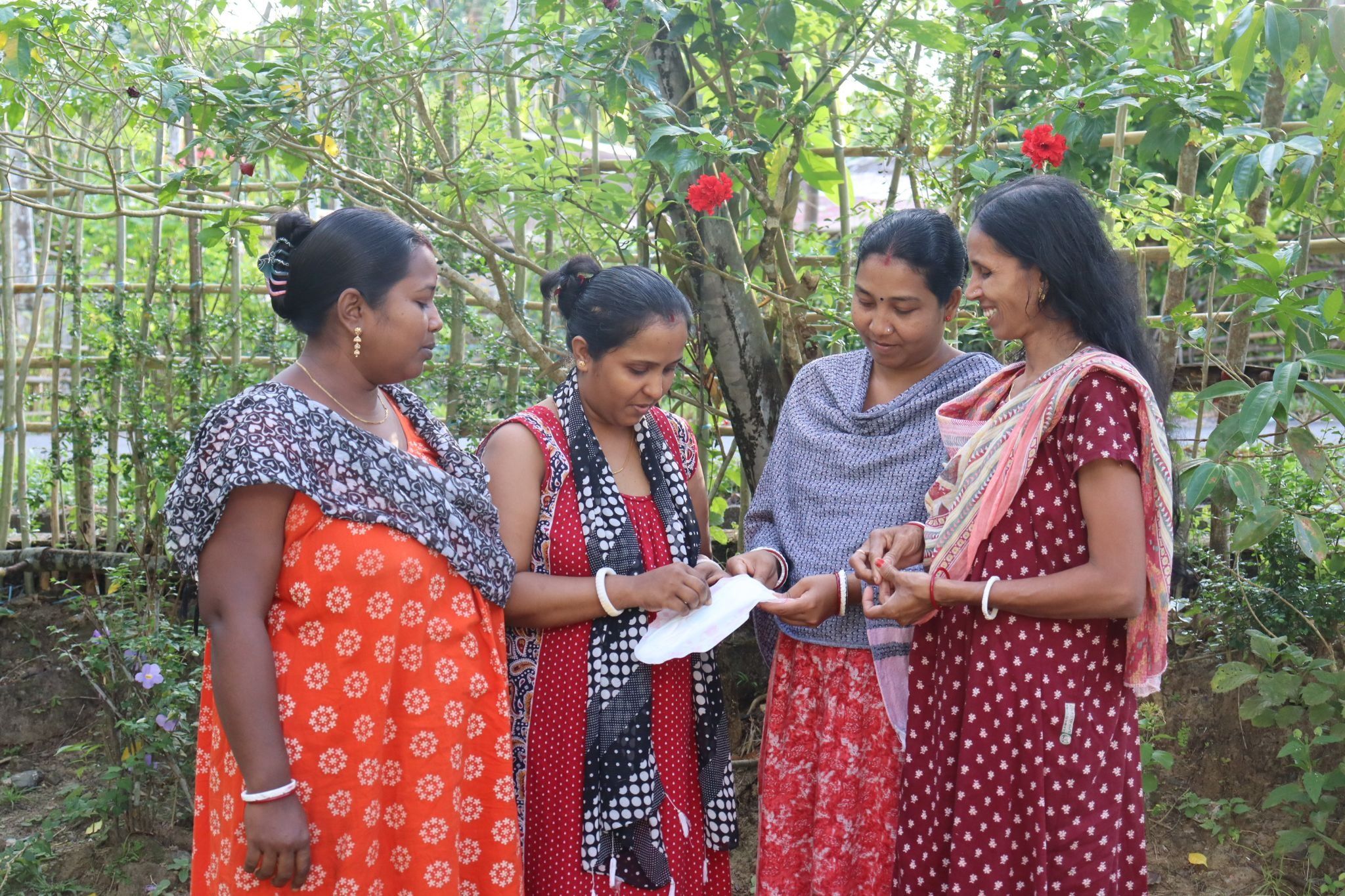
[Photo 1.1 : Women from the community gathering to understand sustainable menstrual practices]
Gathering the Evidence to Understand Current Sustainable Practices
She decided to change this by gathering undeniable proof as a part of her fellowship with National Youth Climate Consortium. Sunita initiated a community led approach, going door to door to interview 144 women. This massive effort generated the very first structured dataset regarding disposal practices in Mathura Village. By creating safe spaces for these intimate conversations, she allowed women to speak openly about their disposal challenges and health concerns for the very first time.
As Sunita noted during her fellowship, engaging participants through interactive and culturally appropriate methods significantly increases participation. She learned that youth engagement is most effective when activities are flexible and hands-on rather than structured around formal meetings.
Hands On Waste Literacy on the Islands
Armed with this new data, Sunita mobilized 110 local youth and organized four major grassroots activities. She moved away from boring lectures and focused entirely on interactive learning. During one particularly powerful session, participants physically opened disposable pads to examine the hidden plastic layers inside. This shocking revelation sparked deep curiosity about long term environmental harm.
The youth also played waste segregation games to understand how menstrual products eventually contaminate streams and coastal waters. The program proudly concluded with the distribution of sustainable alternatives like cloth pads, menstrual cups, and period panties to translate this new awareness directly into action.
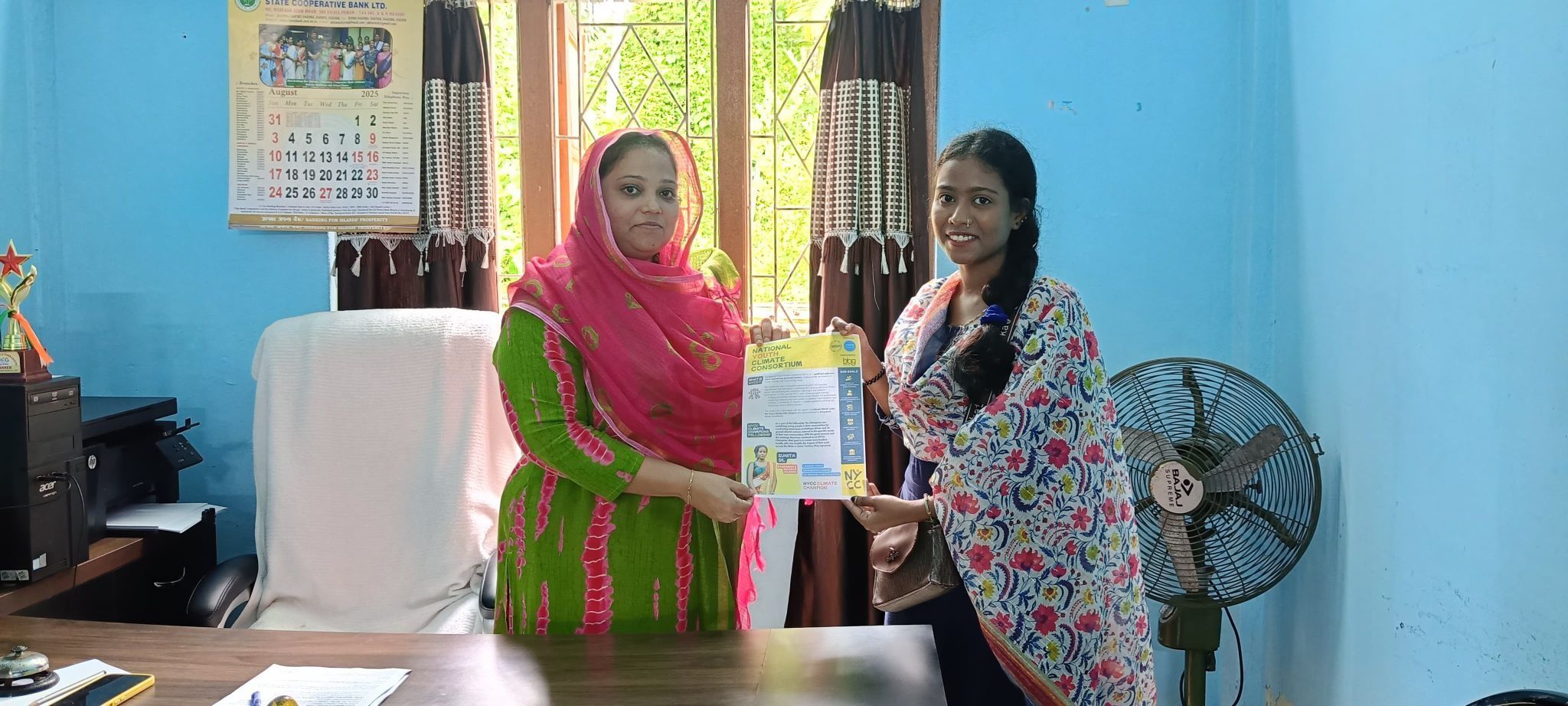
[Photo 1.2 : Sunita Sil meeting local stakeholders in Mathura Village, Andaman, to build advocacy for sustainable menstrual practices]
Building Institutional Support for Sustained Advocacy
Sunita knew that real systemic change required institutional backing. She successfully collaborated with the Brindaban Gram Panchayat and the Rural Development Department. She also partnered with the Dakshin Foundation and the Andaman Nicobar Environment Team to strengthen her community mobilization.
By involving ASHA workers, Anganwadi workers, and Self Help Groups, she successfully positioned menstrual waste management as a vital governance issue rather than just a private matter. Moving forward, Sunita has now prepared a report to formally present her comprehensive "Assessment Report on Menstrual Waste and Sustainable Menstrual Practices" to local officials. With the report as an advocacy tool, her ultimate vision is to see sustainable menstrual waste management fully integrated into local island planning to protect both the women and the environment they call home.
🏷️Tags : Waste Management, Water and Sanitation, Climate Education, Youth Leadership

Sunita Sil
Mathura Village, South Andaman, Andaman & Nicobar Islands