How Youth Are Saving Assam's Xihu: River Dolphin Conservation Project
From riverside awareness campaigns to Assam's first Xihu Festival, Ankita Sarmah Bordoloi's initiative proves how youth leadership and creative storytelling can drive biodiversity conservation. Her work mobilizes hundreds of young people to protect the critically endangered Gangetic River Dolphin.
In the vast, flowing waters of the Brahmaputra and Kulsi rivers, the Gangetic River Dolphin, affectionately known locally as the Xihu, has long served as a silent sentinel of Assam's rich biodiversity. These remarkable creatures are essentially blind and rely entirely on echolocation to navigate the murky river waters. As an apex predator, the presence of the Xihu indicates a healthy, thriving aquatic ecosystem. Yet, a barrage of human-made crises, including declining water quality, severe river pollution, rampant illegal sand mining, and severe habitat fragmentation, have placed this iconic species at critical risk of extinction.
For Ankita Sarmah Bordoloi, a Masters Student in Mass Communication, Journalism and Media Studies who is driven by a profound interest in inclusive development and sustainability, the Xihu represented far more than just a species. It stood as a powerful symbol of Assam's ecological identity and cultural heritage. Ankita approaches climate challenges through a unique lens of data, evidence, and social equity. However, she recognized early on that pure academic research and statistical analysis would not be enough to turn the tide. True biodiversity conservation demanded public emotion, deep community engagement, and massive youth mobilization.
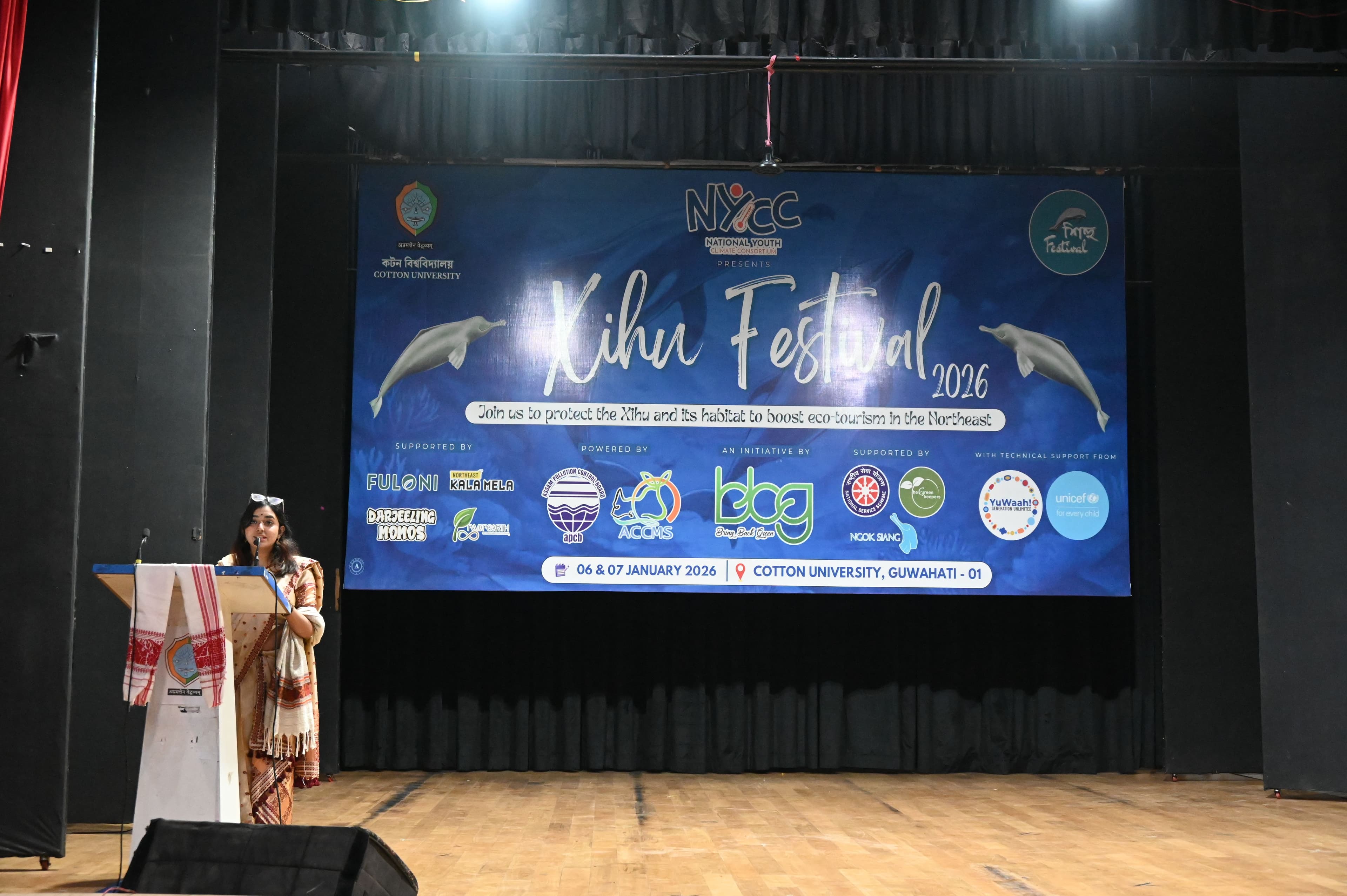
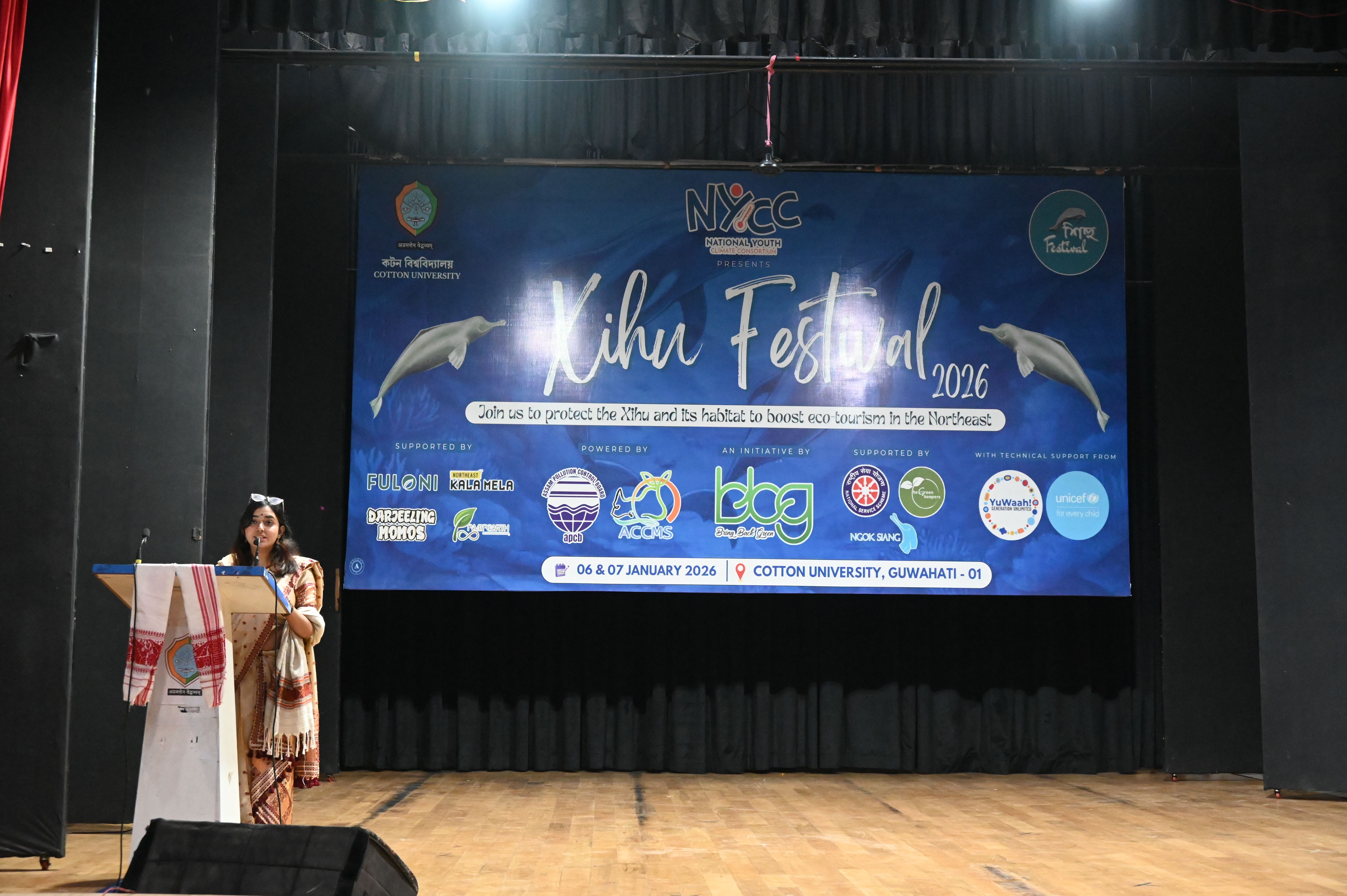
Photo 1.1 : Ankita speaking at the Xihu Festival - Assam’s first River Dolphin Conservation Festival
An Endangered Species Was Almost Forgotten!
Despite bearing the prestigious title of Assam's state aquatic animal, a shocking number of people remained entirely unaware that Gangetic River Dolphins still existed within the state's intricate river systems. In rural stretches along the Kulsi River, sightings had become increasingly rare. Local communities whose livelihoods depended on the river were noticing the changes, but structured platforms for environmental learning, community dialogue, and organized intervention were practically non-existent.
Ankita recalled her early challenges vividly before finding her definitive path. She was always intensely passionate about biodiversity conservation and harbored a deep desire to work for the protection of Assam's aquatic heritage. However, she initially lacked a proper roadmap and struggled to translate her passion into actionable steps. The turning point arrived when she joined the NYCC Fellowship. The rigorous mentorship, structured sessions, and expert guidance she received helped her crystallize her vision. She figured out exactly how to dissect the multifaceted problem and design a strategic campaign to tackle it head-on.
How A Xihu Movement Takes Shape!
Armed with a clear strategy, Ankita launched her initiative with a focus on building genuine trust and participation at the grassroots level. She initiated riverbank dialogues, comprehensive village campaigns, and engaging campus programs. More than relying solely on dry, technical messaging about climate change, she leveraged the power of art, interactive theatre (nukkad naatak), vibrant festivals, and open dialogue to make river dolphin conservation accessible and emotionally resonant for people of all ages.
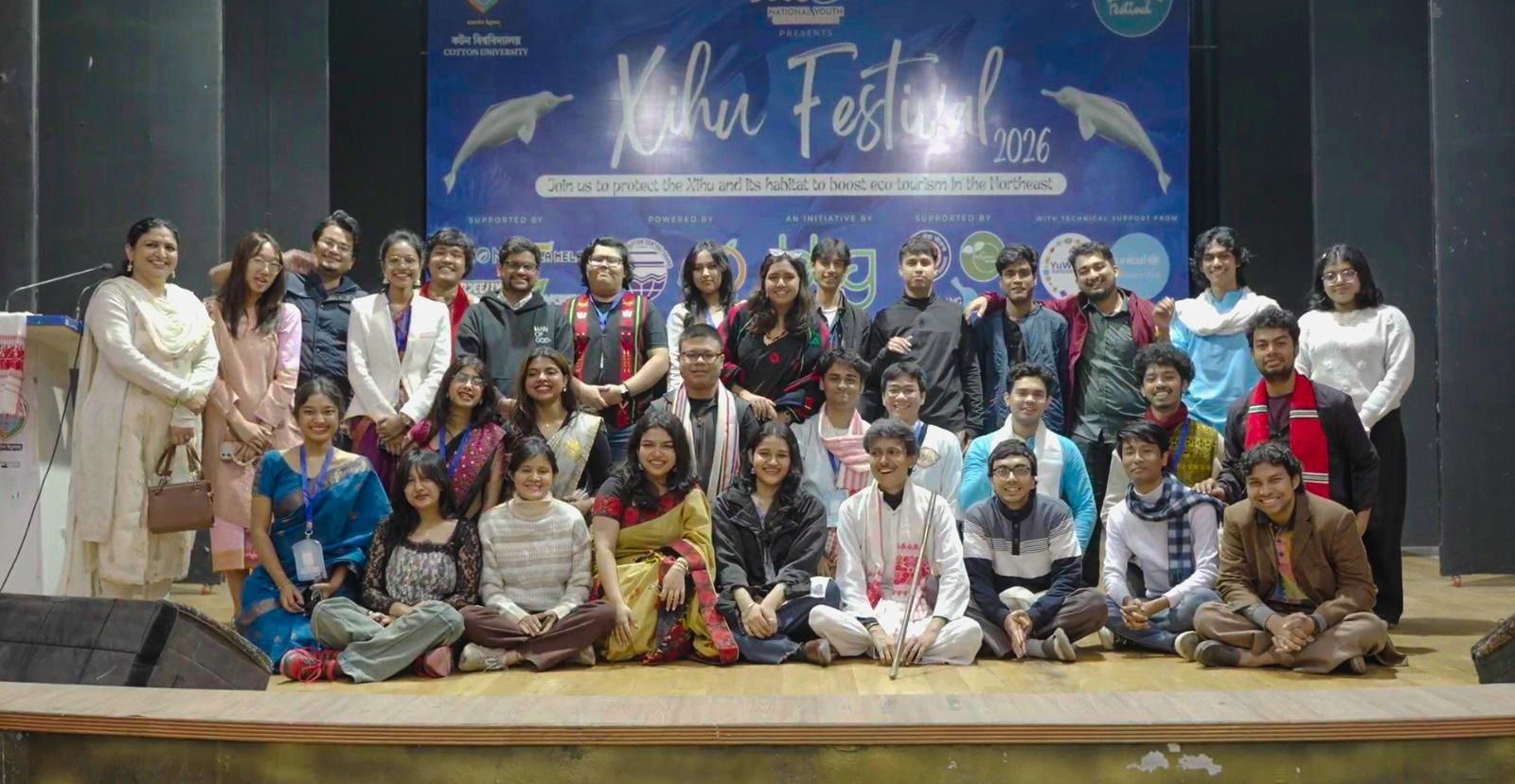
Photo 1.2: Xihu Guardians at the Xihu Festival - Assam’s first River Dolphin Conservation Festival
Then came a monumental turning point - to conduct Assam's first-ever youth-led Xihu Festival, which turned out to be a successful and innovative event that served as a powerful bridge between scientific biodiversity conservation and cultural celebration. Through this festival, she successfully mobilized over 260 youth and engaged more than 400 community members, university students, local artists, and government institutions. The festival featured documentary screenings, interactive art installations, and expert panels, transforming passive awareness into active, shared responsibility.
Taking Riverside Advocacy to Global Policy Rooms
Beyond the high-energy environment of the festival, Ankita organized targeted campaigns in river-adjacent villages to strengthen youth skills in crucial areas like biodiversity literacy, environmental communication, and community-led river monitoring. Her ultimate goal was to equip these young participants with the practical tools needed to act as long-term stewards and guardians of Assam's fragile river ecosystems. She firmly believed that empowering the local youth was the most sustainable way to protect the Xihu.
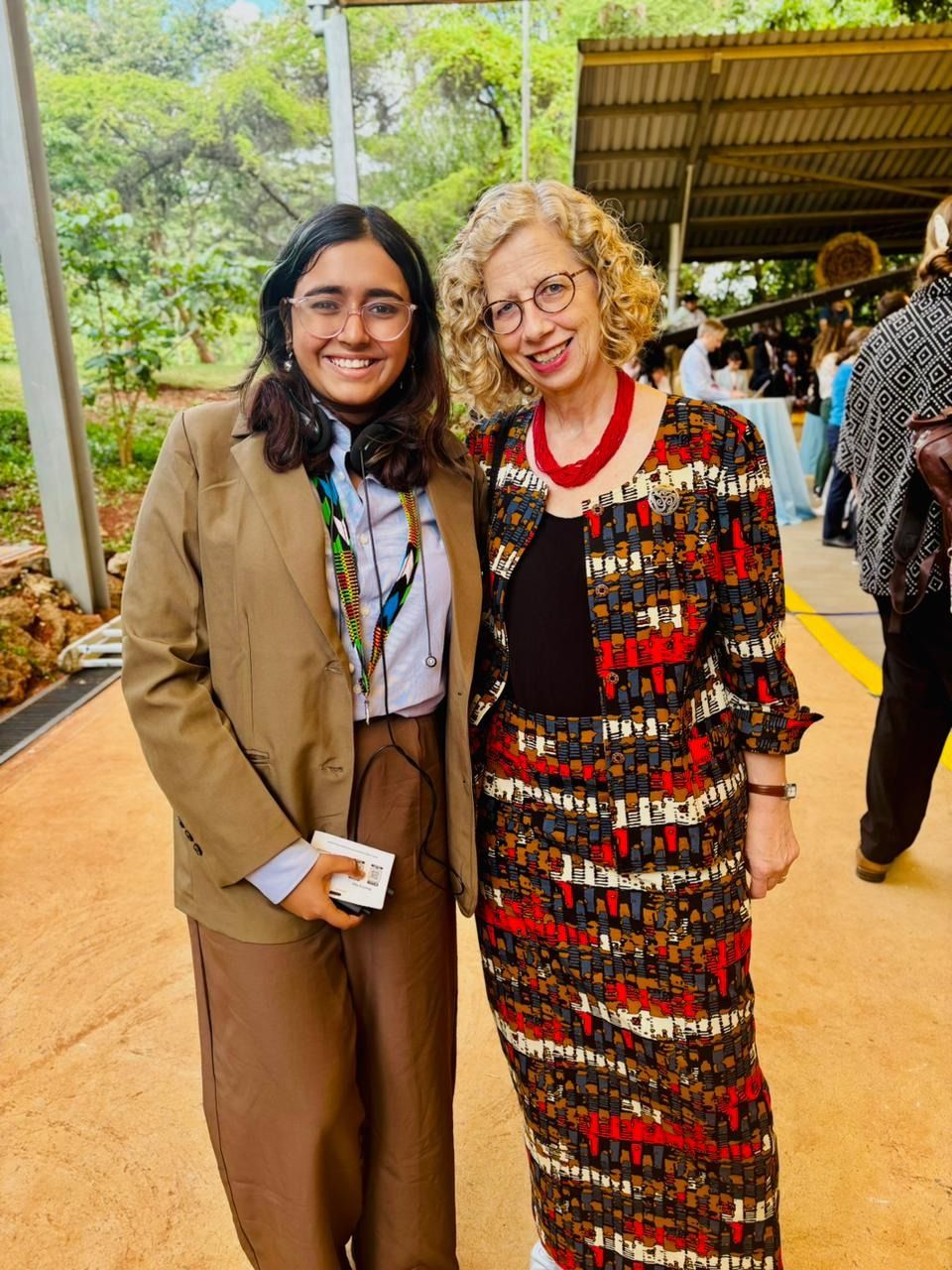
Her relentless advocacy did not stop at the riverbanks of Assam. Taking her grassroots campaign to the global stage, Ankita represented her initiative at the prestigious United Nations Environment Assembly (UNEA-7) in Nairobi, Kenya, and the preceding OECPR in December 2025. In these international forums, she engaged in complex multi-stakeholder advocacy. She discussed her community-rooted project with global representatives, proving that local youth initiatives can offer vital lessons for international climate resilience strategies. At the conference, she also had the incredible opportunity to meet the Executive Director of UNEP, Inger Andersen, who personally endorsed her project focused on the river dolphin conservation, highlighting its importance for freshwater ecosystem restoration.
Photo 1.3: Ankita with the UNEP Executive Director at UNEA-7
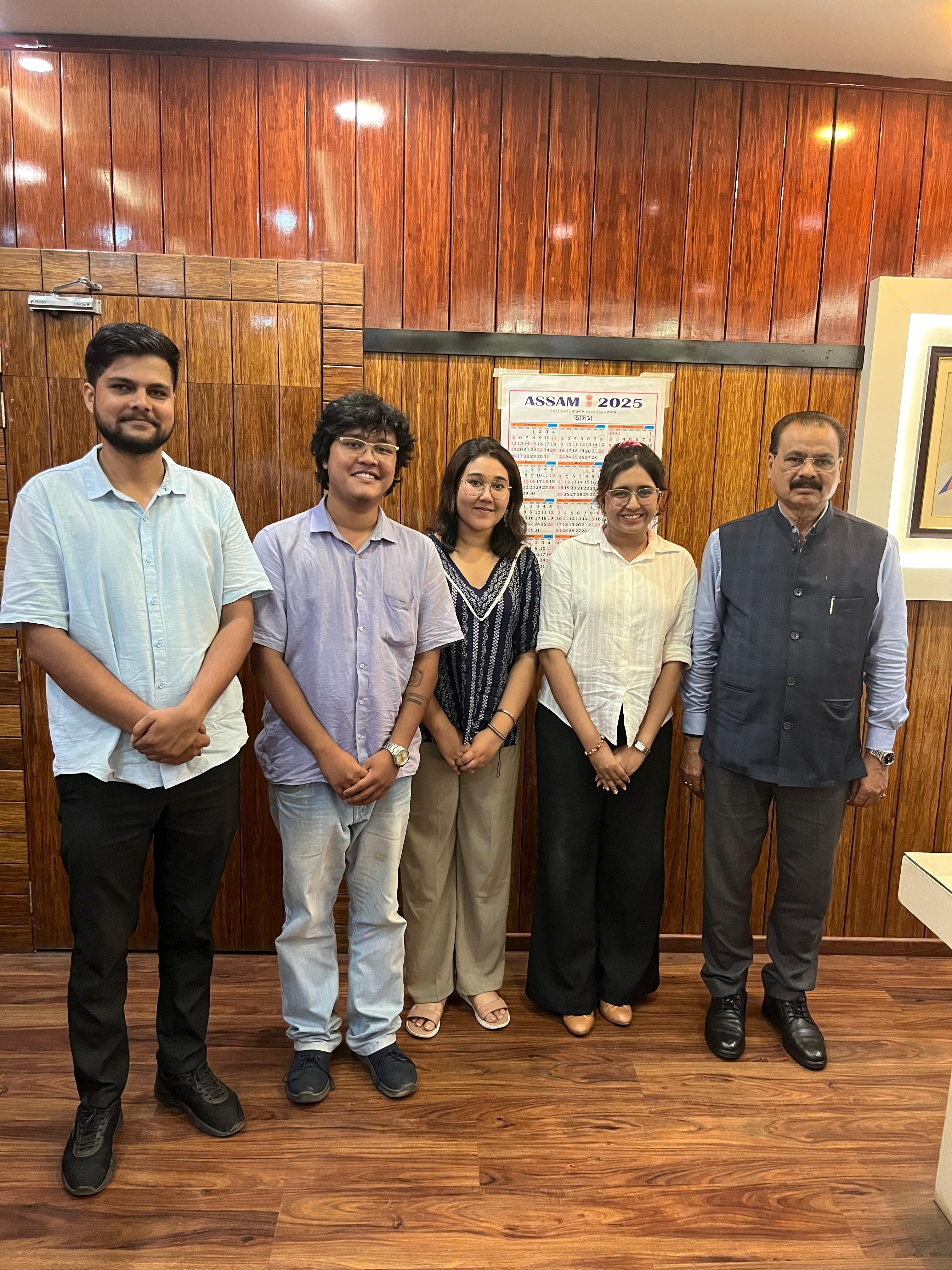
Furthermore, Ankita worked closely and strategically with major governmental bodies, including the Assam Climate Change Management Society, the Assam Pollution Control Board, and the Department of Environment, Forest and Climate Change. These critical collaborations successfully elevated river dolphin conservation into mainstream public discourse. More importantly, they opened official pathways for integrating Xihu awareness into formal educational curriculums and high-level policy conversations.
Photo 1.4 : Ankita with government representatives during a stakeholder meeting
The Journey Ahead!
Looking toward the future, Ankita plans to explore robust opportunities for sustained growth by actively engaging with a diverse range of stakeholders for long-term funding support. She envisions building permanent, community-led "Xihu Guardian" networks and forging new partnerships with relevant institutions to ensure the continuous guardianship of the rivers. Having recently completed her internship at Assam Pollution Control Board, she is now looking into future opportunities of Xihu advocacy at international platforms like COP31 in Turkey.
In Assam, a new generation of youth is rising to protect the Xihu. Through their dedication, creativity, and unyielding leadership, they are ensuring that the river dolphin's quiet whispers finally become a powerful, unignorable call for critical climate action and biodiversity conservation.
National Youth Climate Consortium (NYCC) is a youth climate action and advocacy platform which works on the intersection of awareness, participation and youth leadership to tackle climate change across India.
Tags : Biodiversity Conservation, Climate Education, River Protection