

14 November 2026
Data, Dignity, and Water: Ananya Rana's Push for Climate Justice in Chandigarh
Final year Economics student Ananya Rana is challenging urban inequality in Chandigarh by placing data directly into the hands of local youth. Through her Flow Forward initiative, she co-developed a unique Climate Vulnerability Index to document the severe water and sanitation struggles in marginalized settlements like Hallo Majra. Her pioneering work bridges the gap between grassroots realities and municipal planning to ensure that urban climate resilience includes absolutely everyone.
The Hidden Inequities of a Planned City
Chandigarh is widely celebrated for its meticulous urban planning and pristine cleanliness. However, just beyond the manicured avenues lie informal settlements where the narrative shifts dramatically. In neighborhoods like Hallo Majra, the daily struggle for clean water, safe sanitation, and adequate drainage paints a starkly different picture of urban living.
For Ananya Rana, a final year Economics student at the University of Delhi and an NYCC Climate Champion, these disparities were impossible to ignore. She noticed that mainstream climate conversations often focused on rising temperatures while completely missing the everyday realities of Water, Sanitation, and Hygiene (WASH). In these informal settlements, waterlogging, heat stress, and disease outbreaks are direct climate vulnerabilities shaped by deep inequality. Yet, because of a severe lack of household level data, these communities remained practically invisible to urban climate planners.
Turning Lived Experiences into Hard Data
Ananya decided to take a data driven, community centered approach to tackle this issue. She launched the Flow Forward initiative to translate these overlooked WASH realities into undeniable evidence. Recognizing that true advocacy requires academic rigor, she worked with a dedicated core of over 30 youth volunteers.
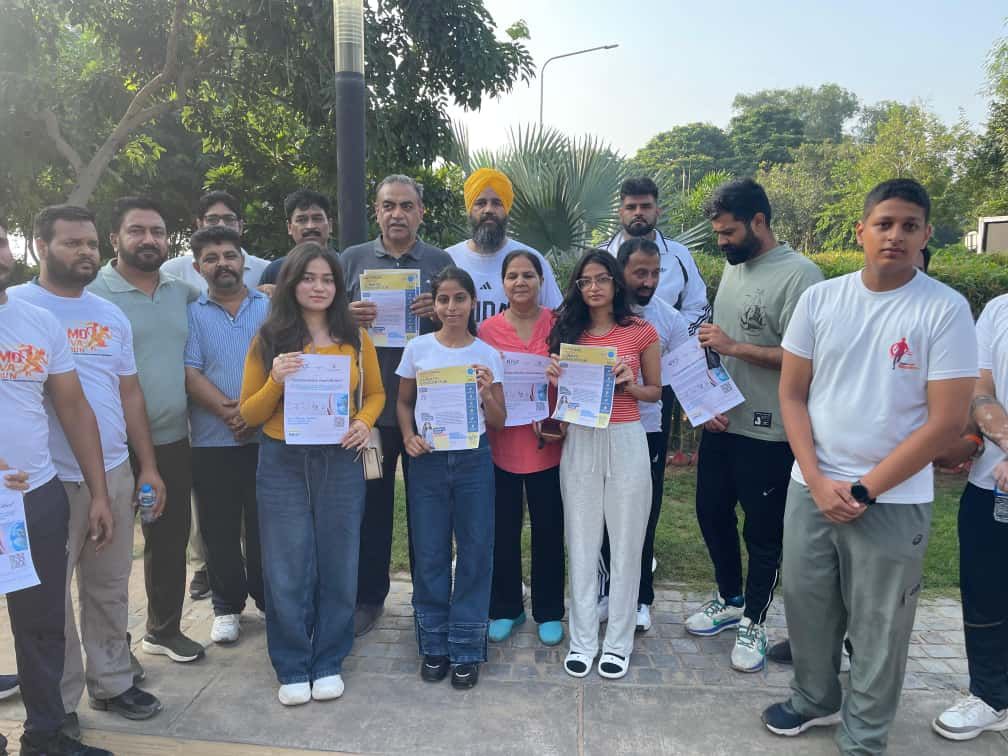
Photo 1.1 : Ananya Rana with her dedicated team of youth volunteers holding pamphlets at the event organized at Sukhna Lake
Sparking Dialogue in Public Spaces
The project led to Ananya successfully mobilizing a broader network of 85 youth and engaged more than 250 community members across the city. One of the most dynamic aspects of Flow Forward was a massive public awareness campaign held at Sukhna Lake, a high footfall public space in Chandigarh. Youth volunteers confidently led open conversations with the public about water conservation, sanitation, and plastic reduction in simple, relatable language.
This ground level engagement taught the team vital lessons. As Ananya herself noted regarding her fellowship journey, the experience showed her the absolute importance of flexibility. Plans often change based on real world challenges, and being open to adaptation is what allows a project to continue working meaningfully and effectively.
To ensure this youth led research gained the necessary institutional legitimacy, Ananya worked closely with an impressive roster of stakeholders. She collaborated directly with the Municipal Corporation of Chandigarh, the Department of Social Work at Panjab University, the Rotaract Club of SD College, and various local councillors.
Through these engagements, her volunteers received critical green skilling. They built capacities in community facilitation, environmental communication, and creative advocacy. Navigating bureaucratic frameworks to secure formal research approvals proved challenging, but it successfully opened new pathways for young people to understand and actively influence civic policy.
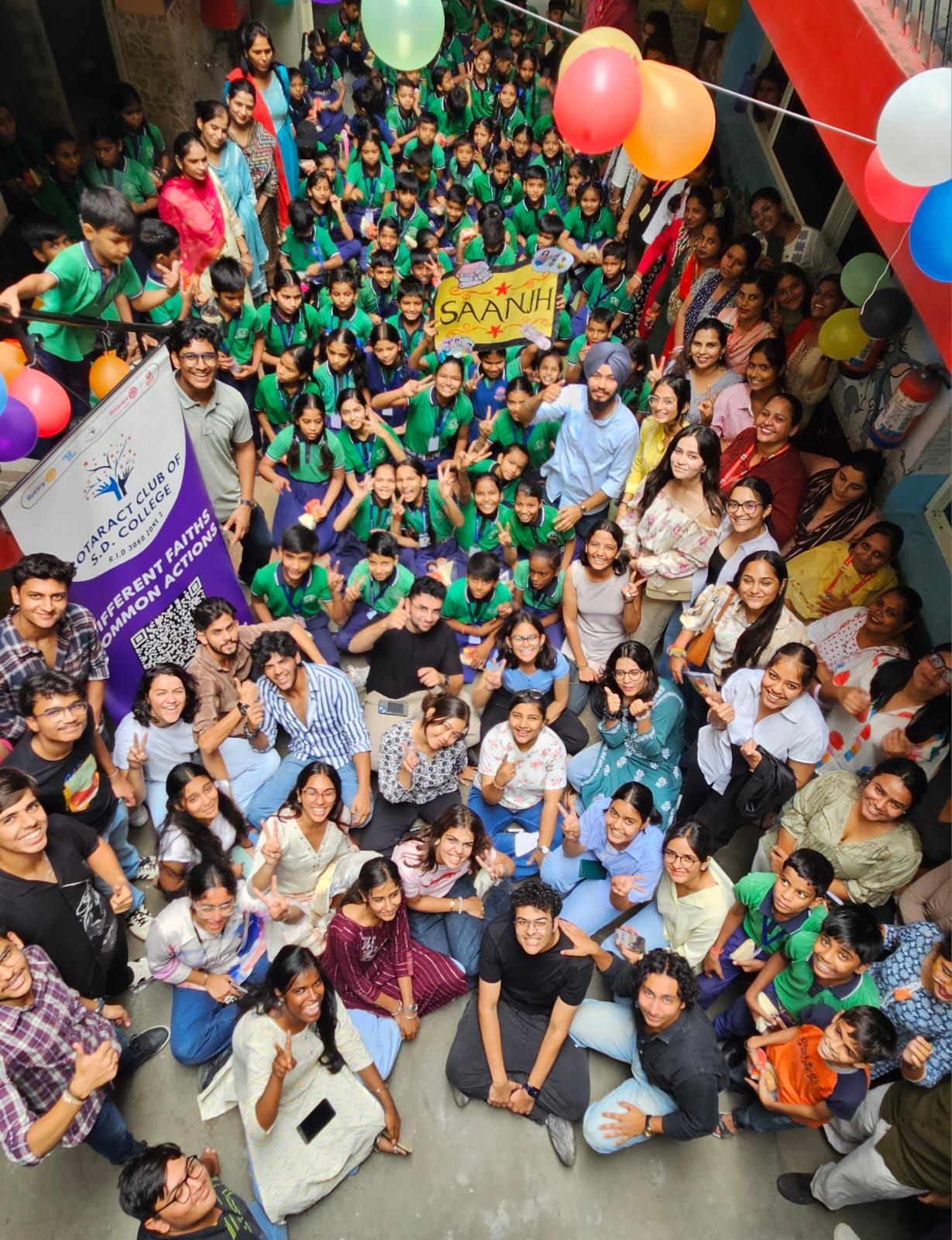
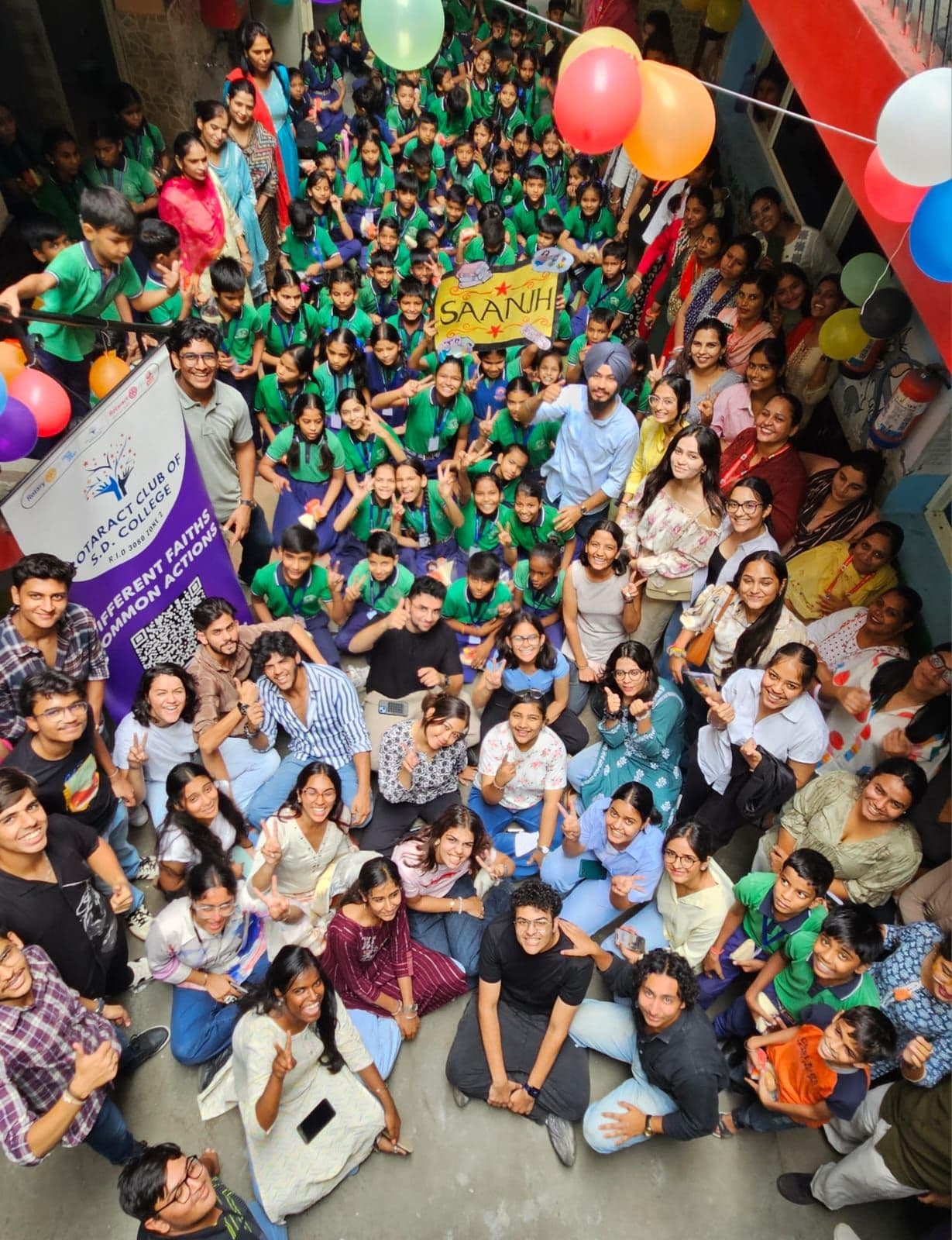
Photo 1.2 : Ananya and large group of smiling youth volunteers and students gathered for a dissemination activity held at Rotaract Club of SD College
A Blueprint for Inclusive Urban Planning
Looking ahead, Ananya is determined to secure final government approvals to conduct full scale household surveys in Hallo Majra. She aims to co-develop and academically validated a household level Climate Vulnerability Index (CVI). This powerful tool will be meticulously designed to capture essential data on water access, sanitation gaps, health risks, and climate exposure. By quantifying these daily struggles, Ananya aims to position community experience as a highly credible input for future urban planning. She also plans to present these community backed recommendations directly to the Municipal Corporation of Chandigarh.
Her ultimate vision is to establish the CVI as a replicable model for climate sensitive urban planning across the region. By building sustained youth leadership around WASH equity, Ananya is proving that the fight for climate justice must begin by securing the most basic human rights.
National Youth Climate Consortium (NYCC) is a youth climate action and advocacy platform which works on the intersection of awareness, participation and youth leadership to tackle climate change across India.
🏷️Tags : Waste Management, Water and Sanitation, Climate Justice

Ananya Rana
Chandigarh