

23 November 2026
In Wayanad, Tribal Communities Reclaim Climate Resilience
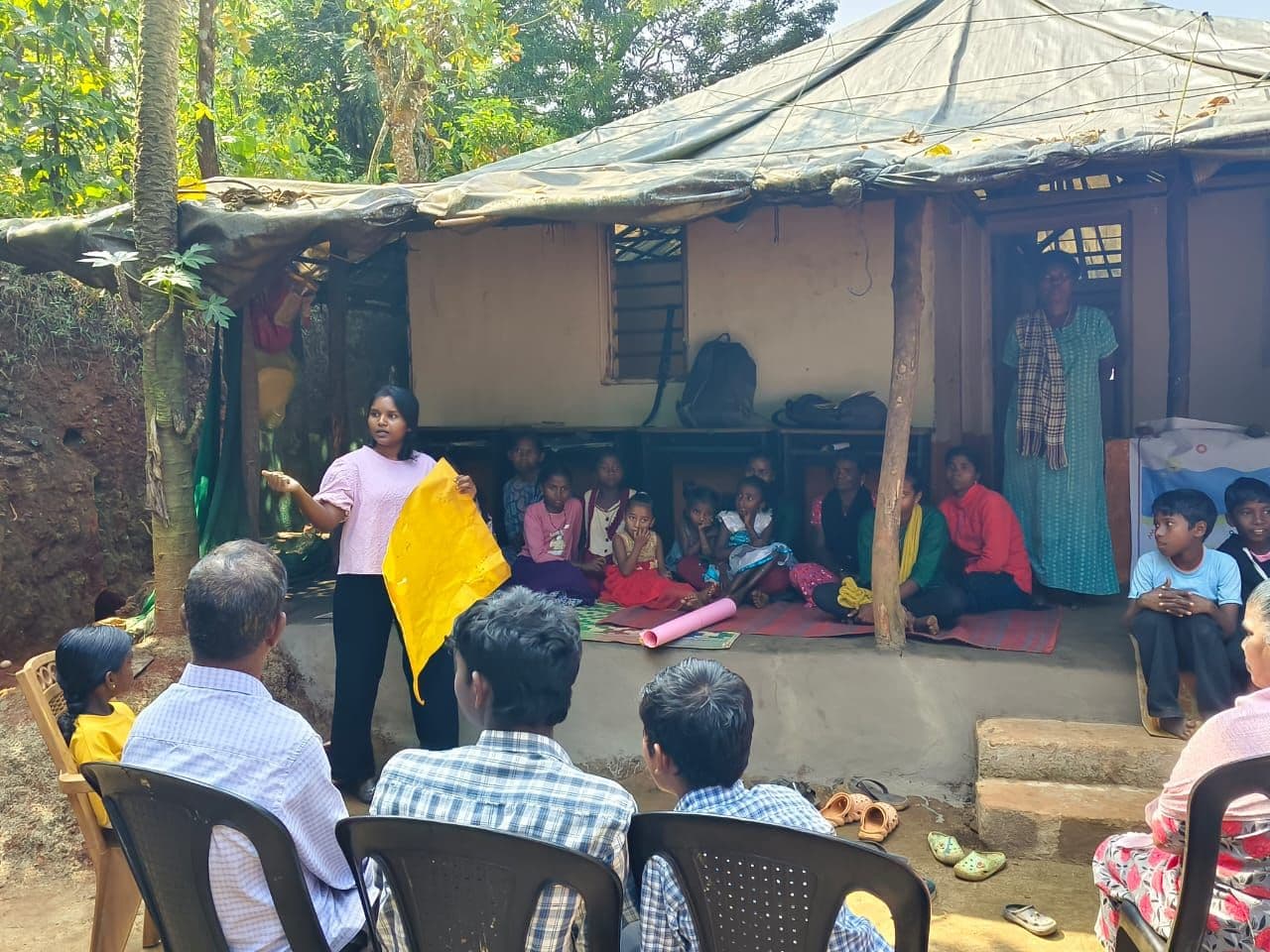
From participatory mapping to climate camps, Abhina Jose’s Roots of Resilience reflects how indigenous knowledge, youth leadership, and intergenerational dialogue can redefine climate action as community empowerment and grassroots resilience-building.
In the forested hills of Wayanad district in Kerala, climate change is not discussed in policy rooms alone. It is experienced through erratic rainfall, crop shifts, human-wildlife conflict, and fragile livelihoods. For the 77 families of Anappara tribal hamlet (predominantly from Paniya and Kattunayikka communities) climate realities are deeply intertwined with land insecurity and questions of belonging.
For Abhina Jose, a social science researcher and NYCC Climate Champion, this understanding shaped everything.
Working at the intersection of climate change, community resilience, and indigenous knowledge, Abhina recognised early that climate conversations must begin with lived experience.
Yet, over time, she began noticing something deeply concerning.
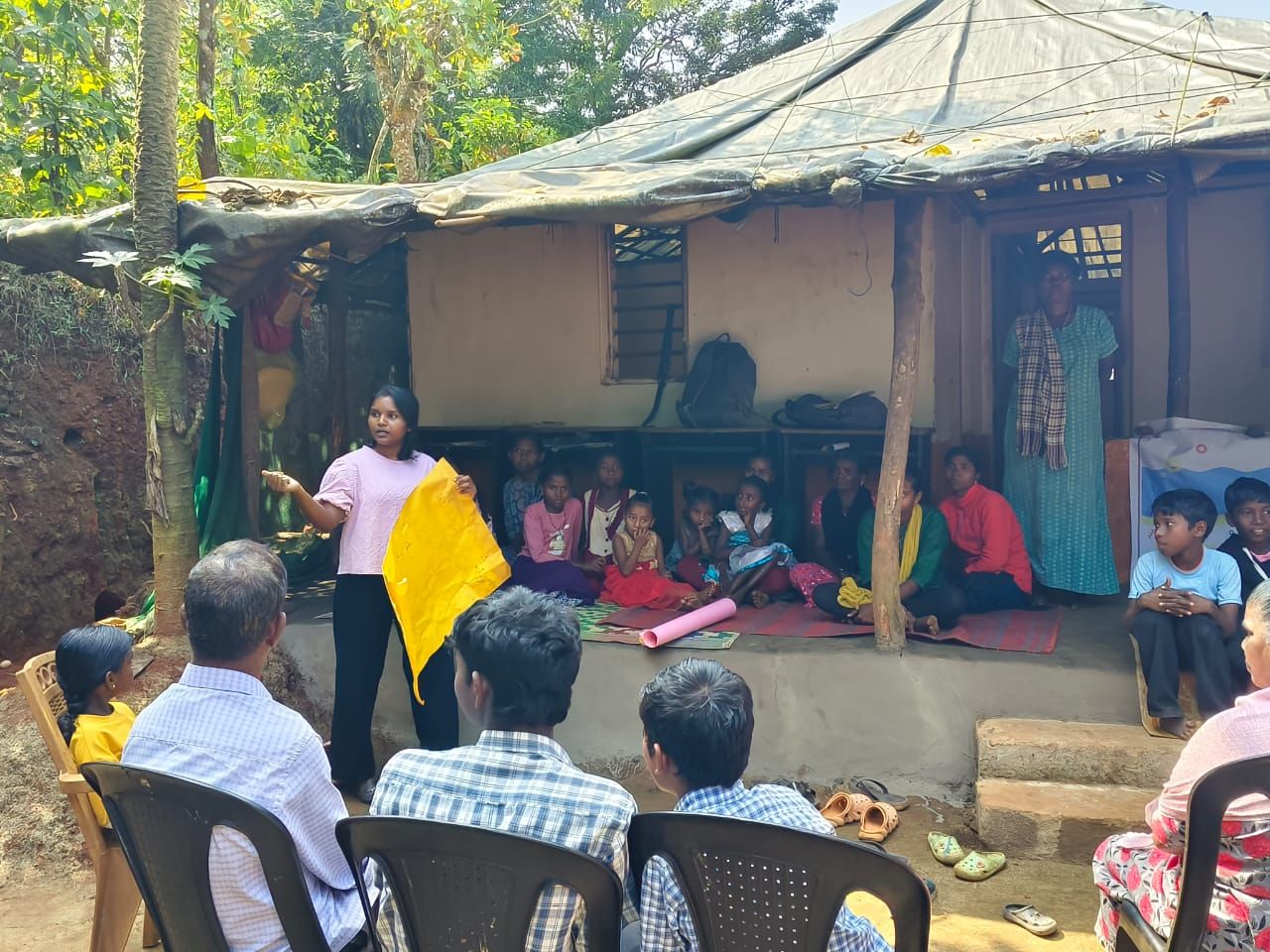
Photo 1.1 : Abhina taking an awareness and capacity building session for the tribal residence of Anappara region in Wayanad, Kerala
When Climate Felt Like a Distant Word
Within the hamlet, elders spoke about changing cropping patterns, disappearing water sources, animal movement routes, and migration histories. Children drew forests and floods. Youth expressed concerns about wildlife intrusion and uncertain futures.
Yet the word ‘climate change’ often felt abstract, detached from everyday language.
Intergenerational knowledge existed, but structured spaces for dialogue were limited. At the same time, the hamlet’s exclusion from formal land recognition and development planning created distrust toward governance systems, making engagement complex.
This growing gap between lived climate realities and structured climate discourse risked leaving local ecological wisdom undocumented and unheard.
Abhina realised that resilience could not be imposed, it had to be co-created.
How It Led To The Birth of Roots of Resilience
Between August 2025 and January 2026, during her journey as a Climate Champion under the National Youth Climate Consortium (NYCC), Abhina transformed this concern into action.
It was during this period that she initiated Roots of Resilience, a community-led climate initiative designed to integrate traditional ecological knowledge with participatory research, youth leadership, and experiential climate education.
Positioning community members as beneficiaries does not do the job, the initiative had to place tribal youth at the centre as peer researchers and facilitators. Mental mapping became documentation, while Oral histories became climate archives and community memory turned into resilience planning.
Across Anappara, Naikapadi, and Pakapadi settlements, Abhina conducted consultations, baseline surveys, participatory Social Resource Creation (SRC) sessions, and youth training. Through multi-phase grassroots engagements, she mobilised 95+ youth and engaged 100+ community members, forming five thematic youth-led groups focused on biodiversity, disaster resilience, and climate awareness.
During a two-day mental mapping exercise, 45+ members gathered to collectively draw their hamlet. Three large community maps were created, capturing cropping shifts, migratory histories, animal pathways, and climate-induced transformations. Though hand-drawn, these maps carried profound ecological insight.
As one participant reflected, the space allowed them to speak freely about their land, memories, and fears, validating stories that had rarely been formally acknowledged.
Abhina understood that for community resilience to strengthen, dialogue had to extend beyond the hamlet. She collaborated with HUME Research Centre, Totem Resource Centre, Don Bosco College NSS Unit, and engaged with Sulthan Bathery Municipality through mediated dialogue.
Youth-government interactions, though sensitive within a contested land tenure context, opened pathways for recognition and structured discussion. This bridging of grassroots knowledge and institutional engagement strengthened trust and expanded the impact of Roots of Resilience.
Building Community-Led Climate Resilience
One of the major achievements during this project for her, was a three-day KOODE Climate Christmas Camp integrated weather monitoring sessions, biodiversity walks, bird observation tools, pictorial surveys on human-wildlife conflict, documentation of traditional food and medicinal plants, and performances of tribal art forms.
What happened next? Children mapped their perceptions of multi-hazard environments, youth facilitated storytelling circles, elders narrated land-use transformations while climate education became immersive, intergenerational and rooted in lived experiences.
Roots of Resilience continues to grow through sustained youth mentorship, thematic groups and plans to expand resilience education across additional hamlets.
Abhina envisions long-term climate committees led by tribal youth, strengthened digital documentation, and structured dialogue platforms linking community voices with governance systems.
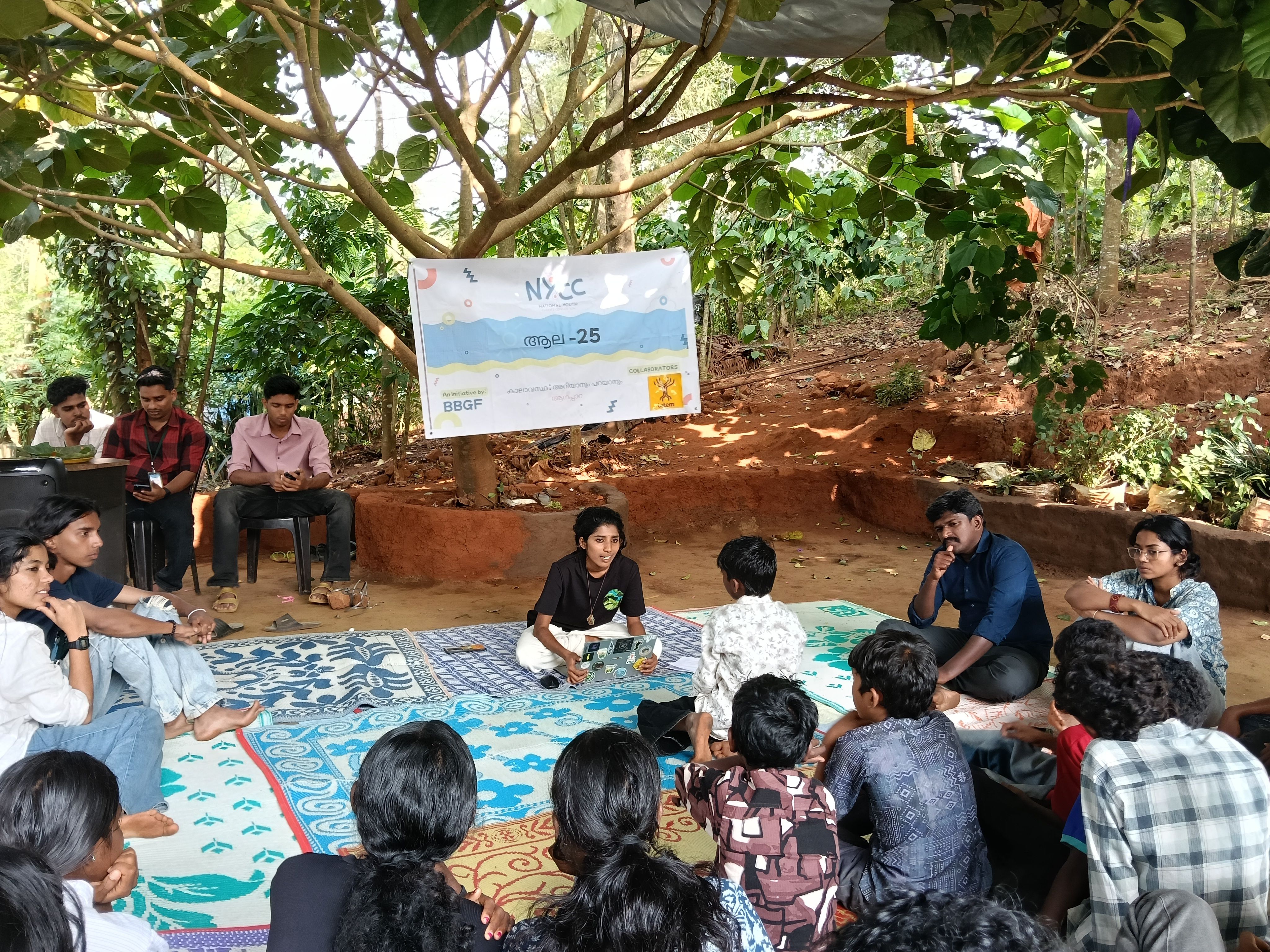
Photo 1.2 : Aala-25, a capacity building session on Climate organised by Abhina
When Mapping Became a Tool for Climate Justice!
Abhina believes that transformation, more than setting up a large infrastructure, is about beginning with a blank sheet of paper and a shared memory.
Through participatory maps and community storytelling, ecological knowledge was preserved before it could disappear. Youth gained confidence as facilitators. Elders found renewed space to speak. Children articulated fears and hopes about their changing environment.
Through her NYCC Climate Champions journey, Roots of Resilience has become a living framework where resilience is drawn, spoken, and collectively imagined.
In the hills of Wayanad, climate action now speaks in the voices of tribal youth, rooted in ancestral knowledge and strengthened through participatory climate education.
National Youth Climate Consortium (NYCC) is a youth climate action and advocacy platform which works on the intersection of awareness, participation and youth leadership to tackle climate change across India.
🏷️Tags : Climate Education and Indigenous Knowledge Preservation

Abhina Jose
Wayanad, Kerala